
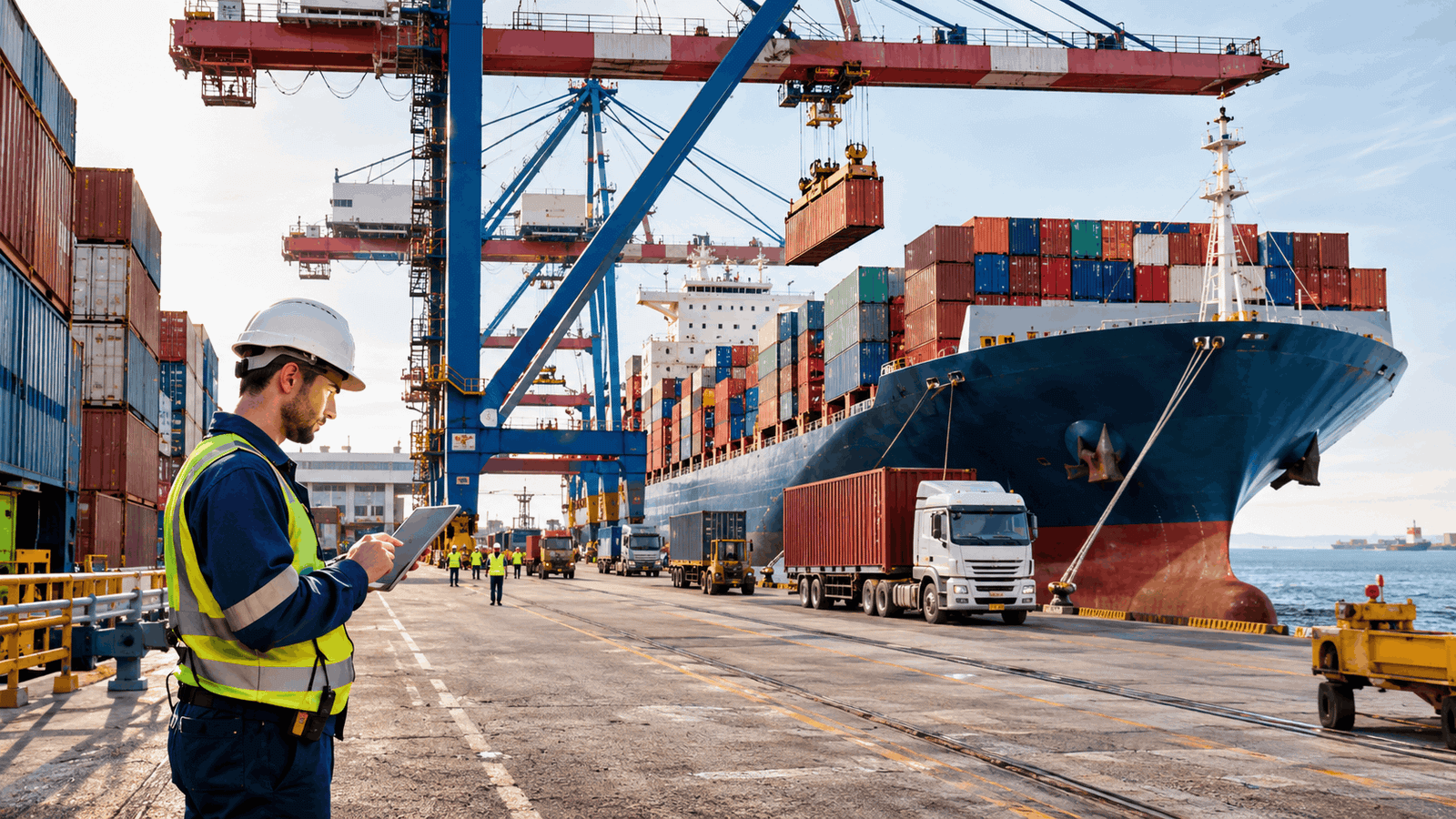
Have you ever wondered how businesses make money by buying products in one country and selling them in another? From smartphones and clothing to agricultural products and industrial machinery, millions of goods cross international borders every day.
Behind these transactions are importers, exporters, manufacturers, distributors, and trading companies that connect buyers with suppliers around the world.
At first glance, the business model seems simple: purchase products at a lower price and sell them at a higher price. However, international trade involves shipping costs, customs duties, currency exchange rates, regulations, and several other expenses that influence profitability.
Understanding how import and export businesses make money can help entrepreneurs evaluate opportunities, calculate potential earnings, and recognize the risks involved in international trade.
What Is an Import and Export Business?
An import and export business involves purchasing or selling goods across international borders.
Importing means bringing products from another country into your domestic market. Exporting means selling products from your country to customers in foreign markets.
For example, a company in Pakistan might export textiles to businesses in Europe, while a retailer in the United States might import electronics manufactured in China.
Both businesses participate in international trade, but their operations and revenue models may differ.
How Does an Import Business Work?
An importer purchases products from foreign suppliers and sells them domestically.
Imagine a company importing kitchen appliances for $20 per unit and selling them to local retailers for $35.
The difference of $15 represents the gross trading spread before accounting for transportation, import duties, storage, insurance, and other expenses.
If the total additional cost is $7 per unit, the importer earns $8 per unit before remaining operating expenses and taxes.
How Does an Export Business Work?
An exporter sells domestically sourced or manufactured products to international buyers.
For example, a furniture manufacturer might produce a wooden table for $80 and sell it to an overseas distributor for $130.
The $50 difference must cover any additional export-related costs and business overhead before becoming profit.
Exporters can benefit when foreign customers are willing to pay more for products because of their quality, availability, craftsmanship, or competitive manufacturing costs.
How Do Import and Export Companies Generate Revenue?
Not every international trading company makes money the same way. Some own inventory, while others connect buyers and sellers without purchasing the products themselves.
1. Buying Wholesale and Selling at Higher Prices
One common business model involves purchasing products in bulk from manufacturers and reselling them at a higher price.
Wholesale purchasing often provides lower per-unit prices, especially when buyers order larger quantities.
Consider a hypothetical importer purchasing 1,000 products:
- Purchase price per unit: $10
- Total purchasing cost: $10,000
- Shipping, customs, and handling: $3,000
- Total landed cost: $13,000
- Selling price per unit: $20
- Total sales revenue: $20,000
The company generates $7,000 in gross trading profit before accounting for additional operating expenses, financing costs, and taxes.
This model works when businesses can consistently source products at competitive prices and maintain sufficient demand in their target markets.
2. Earning Commissions as a Trading Agent
Some import and export businesses operate as intermediaries rather than purchasing inventory.
These companies help manufacturers find international buyers or assist buyers in locating suitable suppliers.
In exchange, they receive a commission based on the transaction value or an agreed service fee.
For example, if a trading agent arranges a $100,000 transaction and receives a 3% commission, the company earns $3,000 in revenue.
The actual profit depends on expenses such as marketing, travel, verification, communication, and administration.
This approach can require less inventory investment, although finding reliable business partners and securing transactions remains challenging.
3. Exporting Locally Manufactured Products
Manufacturers can increase their customer base by selling products internationally.
A clothing manufacturer, for example, might produce garments domestically and supply them to overseas wholesalers or retail brands.
Exporting allows manufacturers to access additional markets, potentially increase production volumes, and reduce dependence on domestic demand.
However, overseas sales must still cover manufacturing, packaging, compliance, transportation, and distribution expenses.
4. Providing Import and Export Services
Some companies earn revenue by providing services that support international trade.
These services may include:
- Finding and verifying international suppliers.
- Coordinating freight transportation.
- Preparing shipping and trade documentation.
- Arranging warehousing and distribution.
- Assisting with customs clearance through appropriately licensed professionals.
- Conducting product inspections and quality checks.
Instead of relying on product resale margins, these businesses charge service fees or commissions.
How Is Profit Calculated in International Trade?
Revenue alone does not determine whether an import or export business is successful.
The most important consideration is how much money remains after all relevant expenses have been deducted.
Understanding Landed Cost
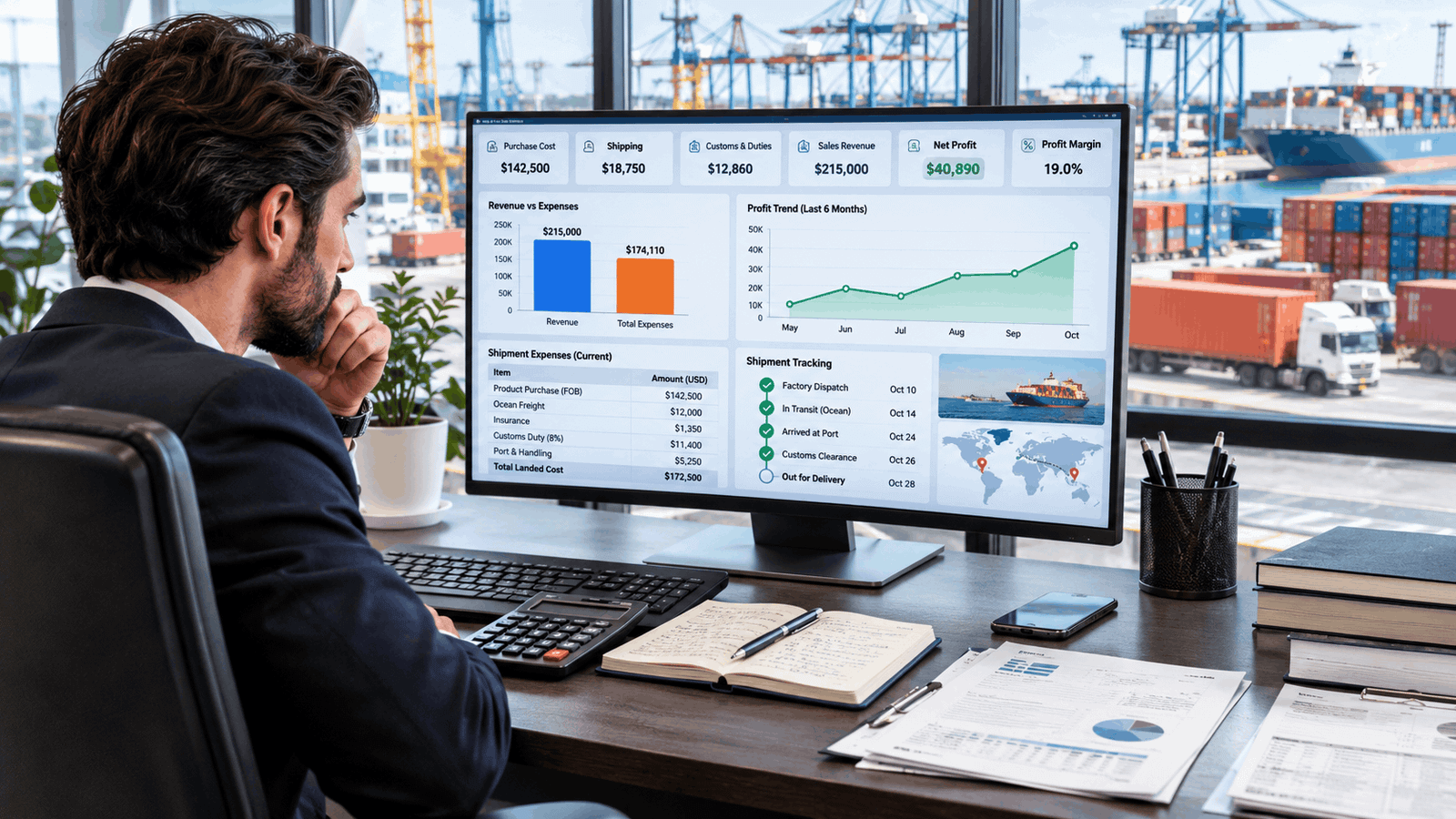
Landed cost represents the total expense of getting imported products to their intended destination.
Depending on the transaction, it may include:
- Product purchase price.
- International freight charges.
- Cargo insurance.
- Customs duties and applicable taxes.
- Port and terminal handling fees.
- Domestic transportation.
- Customs brokerage and documentation charges.
Businesses must understand landed costs before setting their selling prices.
They should also distinguish between recoverable taxes, such as certain input VAT amounts, and taxes that represent an actual business expense.
Example of Import Business Profit
Suppose an importer purchases 500 office chairs from an overseas manufacturer.
| Expense or Revenue | Amount |
|---|---|
| Product purchasing cost | $15,000 |
| International shipping | $2,000 |
| Customs duties and handling | $1,500 |
| Local transportation | $500 |
| Total landed cost | $19,000 |
| Sales revenue | $27,500 |
| Gross trading profit | $8,500 |
In this hypothetical example, the importer earns $8,500 before other business expenses and taxes.
The gross trading margin is approximately 30.9%, calculated by dividing $8,500 by $27,500 and multiplying by 100.
If the business spends another $3,500 on warehousing, marketing, salaries, and administration, its operating profit would fall to $5,000 before financing costs and taxes.
This demonstrates why calculating the complete cost structure is essential.
What Makes International Trading Profitable?
Successful importers and exporters generally focus on several factors that influence their ability to earn consistent profits.
Finding Products With Strong Demand
Businesses need customers who are willing to purchase their products at sustainable prices.
Demand research helps companies identify products with suitable market opportunities rather than purchasing inventory based on assumptions.
Building Reliable Supplier Relationships
Dependable suppliers can help businesses maintain product quality, predictable delivery schedules, and consistent pricing.
Long-term relationships may also create opportunities to negotiate better payment terms or purchasing arrangements.
Managing Shipping and Logistics
Transportation costs can significantly affect profitability, particularly for heavy, bulky, or low-value products.
Companies often compare shipping methods, consolidate orders, and plan inventory carefully to control expenses.
Understanding Currency Exchange Rates
International transactions frequently involve different currencies.
If a company purchases goods in US dollars but sells them in its local currency, exchange-rate movements can increase or reduce its profit.
Some businesses use forward contracts or other financial arrangements to manage currency exposure, although these tools involve costs and require careful consideration.
What Are the Biggest Risks in Import and Export Businesses?
International trade offers opportunities, but it also introduces risks that businesses must actively manage.
Customs and Regulatory Problems
Different countries have different import restrictions, product standards, labeling requirements, and customs procedures.
Incorrect documentation or noncompliant products can cause delays, penalties, or shipment rejection.
Supplier and Buyer Fraud
Businesses may encounter fraudulent suppliers, fake purchasing orders, or buyers who fail to make payments.
Verifying business credentials, inspecting products, and using appropriate payment arrangements can reduce these risks.
Unexpected Transportation Costs
Freight rates, fuel costs, port congestion, and delivery delays can affect profit margins.
Companies should include reasonable contingencies when calculating potential transaction costs.
Inventory and Cash Flow Problems
Importers may need to pay suppliers long before receiving money from customers.
Large inventory purchases can therefore create cash flow pressure, even when the products are eventually sold at a profit.
How Can Someone Start an Import and Export Business?
Starting an international trading business requires research, preparation, and an understanding of the regulations involved.
- Choose a product category: Identify products with potential demand and manageable shipping requirements.
- Research target markets: Compare customer demand, competitors, pricing, and applicable trade restrictions.
- Find reliable suppliers or buyers: Verify businesses before making significant financial commitments.
- Understand legal requirements: Check business registration, customs registration, licensing, and product compliance obligations.
- Calculate total costs: Include purchasing, freight, insurance, customs, storage, and operating expenses.
- Agree on transaction terms: Establish payment conditions, delivery responsibilities, and applicable Incoterms.
- Start with manageable orders: Test product quality, customer demand, and logistics before expanding.
Entrepreneurs should also understand that international trade regulations vary by country and product category.
Professional customs brokers, freight forwarders, and qualified trade advisers can help businesses navigate complex requirements.
General Curiosity
Can You Start an Import and Export Business Without Owning Products?
Yes. Trading agents and sourcing companies can connect buyers with manufacturers without purchasing inventory themselves. They typically earn commissions or service fees, although they still need reliable contacts, market knowledge, and clear contractual agreements.
Is Importing More Profitable Than Exporting?
Neither model is automatically more profitable. Importing can be attractive when foreign products are cheaper or unavailable locally. Exporting can be profitable when domestic producers offer competitive prices, specialized products, or desirable quality. Actual profitability depends on demand, costs, competition, and execution.
How Much Money Is Needed to Start?
Startup costs vary considerably. A commission-based sourcing business may require relatively little inventory capital, while a company importing containers of products may need substantial funding. Registration, product samples, inspections, transportation, and marketing should all be considered.
Why Do Countries Import Products They Can Produce Themselves?
Countries may import goods because overseas producers offer lower costs, different product varieties, specialized technology, or additional supply. International trade also allows businesses to access products that domestic manufacturers cannot produce efficiently or in sufficient quantities.
Conclusion
Import and export businesses make money by connecting products with markets where customers are willing to pay prices that exceed the total cost of supplying them.
Some companies earn profits through wholesale trading, while others generate revenue from manufacturing exports, commissions, or international trade services.
However, successful international trading requires more than finding inexpensive products. Businesses must understand landed costs, evaluate demand, manage suppliers, comply with regulations, and maintain healthy cash flow.
For anyone considering entering international trade, researching a specific product and market before making a large investment is one of the most practical starting points.